Coral Gables, a city of 46,000 people near Miami, cut violent crime by 42 percent in a few years. Unemployment dropped over 20 percent. Median income rose 11 percent. High school graduation rates went up 10 percent. Chronic diseases like diabetes and heart disease fell below Florida and national averages. On Wednesday, January 8, a free online session will explain how they did it.
Fewer crimes mean safer streets. Kids walk to school without fear. People sleep better. Coral Gables made that happen. More jobs mean families breathe easier, money flows through neighborhoods, people worry less. More kids finishing high school means more career options, fewer people trapped in poverty cycles.
How did a single city pull this off? It wasn't luck. It wasn't a one-time program or a consultant who showed up for six months. Coral Gables used a structured approach called the Baldrige Performance Excellence Program – a methodology that guides communities to align people, data, strategy, and action. The program isn't complicated. It's just organized.
Baldrige started in the business world decades ago. Companies used it to improve operations. Over time, hospitals, schools, and universities adopted it. Now communities are using it. Coral Gables was the first city to earn Baldrige's top community award – Gold Level recognition. That means what they did works, it's repeatable, and other places can learn from it.
What does the program actually do? It brings together the people who can make decisions – mayors, school principals, hospital directors, business leaders, nonprofit heads. These people sit down with a clear framework and ask: What's our biggest problem right now? What do we want to achieve in the next three to five years? How will we know if we're winning?
Then they measure everything. Crime rates, job creation, graduation rates, health outcomes. They use a digital scorecard – a kind of dashboard – that tracks these numbers in real time. No guessing. No assumptions. Just data.
Coral Gables had a team that met regularly, shared data, removed obstacles, and stayed focused for years. That's it. That's how a city changes.
On Wednesday, January 8 at 2 p.m. CET (11 a.m. Pacific, noon Mountain, 1 p.m. Central), there's a free webinar. Coral Gables officials will talk about what they actually did, what got in the way, how they pushed through. It's not a sales pitch. It's people who did the work, talking about the work.
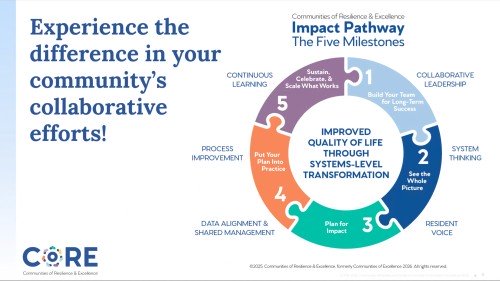
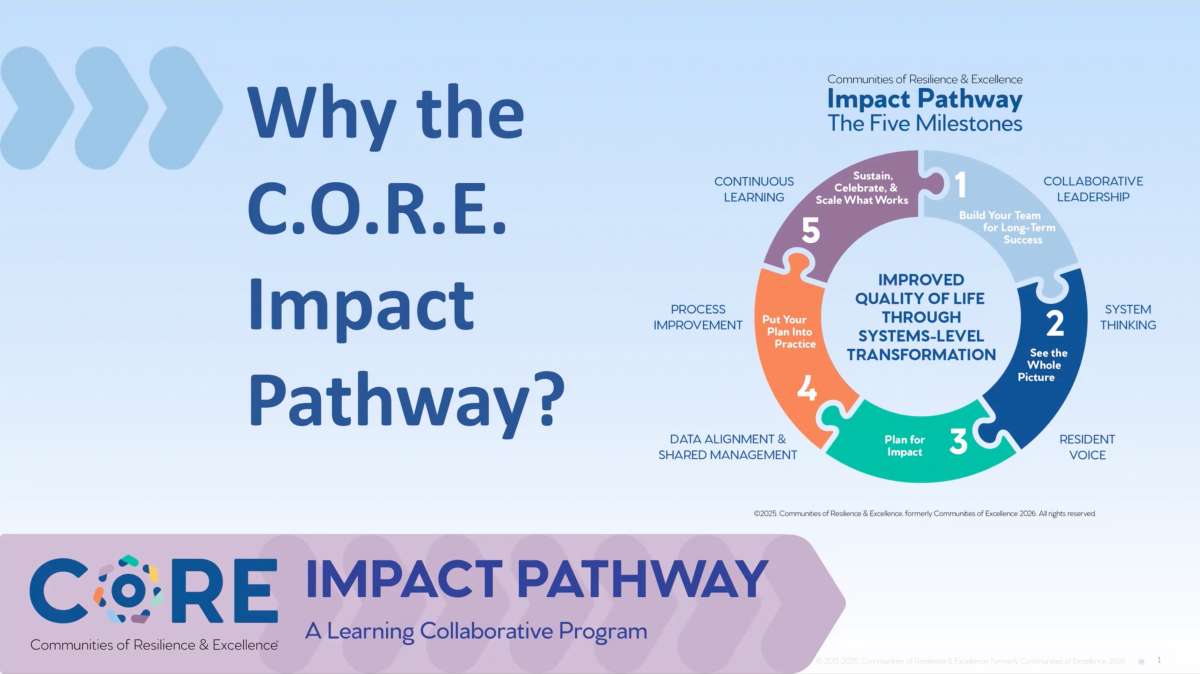
If the Coral Gables story sparks ideas for your community, you can start in February 2026. There's a three-month program called Milestone 1 – "Build Your Team for Long-Term Success." It walks you through assembling the right team, agreeing on what matters, and setting up your own scorecard. By the end, you have a real plan.
The program runs online. You get expert facilitators, access to a resource library, webinars on specific topics, and connection to other communities doing the same work. Coaching is available if you want extra support. Pricing is flexible – options for small teams, mid-size organizations, whole communities.
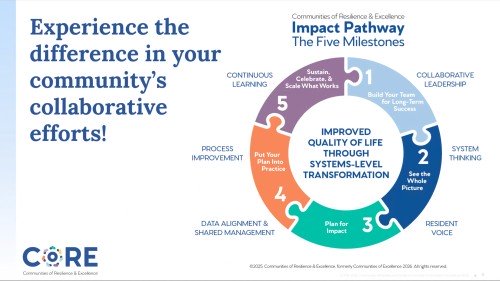
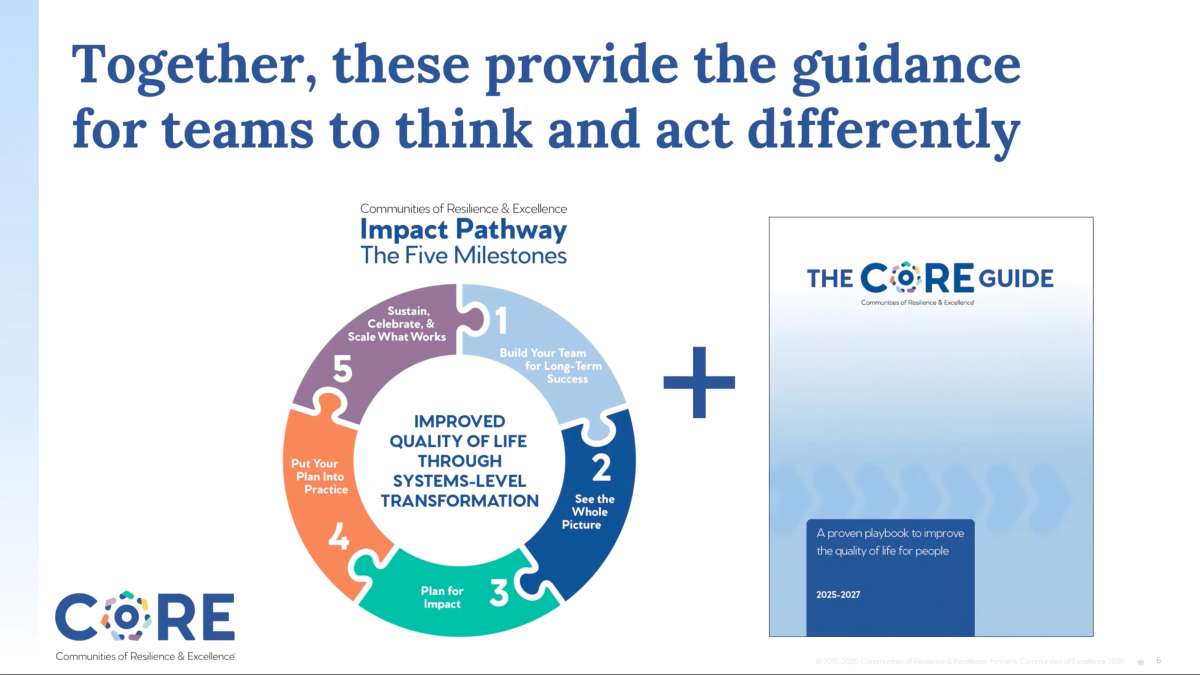
The entire approach is called the Impact Pathway. It has five stages. You don't have to start at stage one if your team is already advanced. You can jump in wherever makes sense.
To get started, three simple steps: (1) Read the program overview or snapshot to understand what it is. (2) Use the Milestone Decision Tree to figure out where your community fits. (3) Fill out an interest form or email info@communitiesofexcellence2026.org .
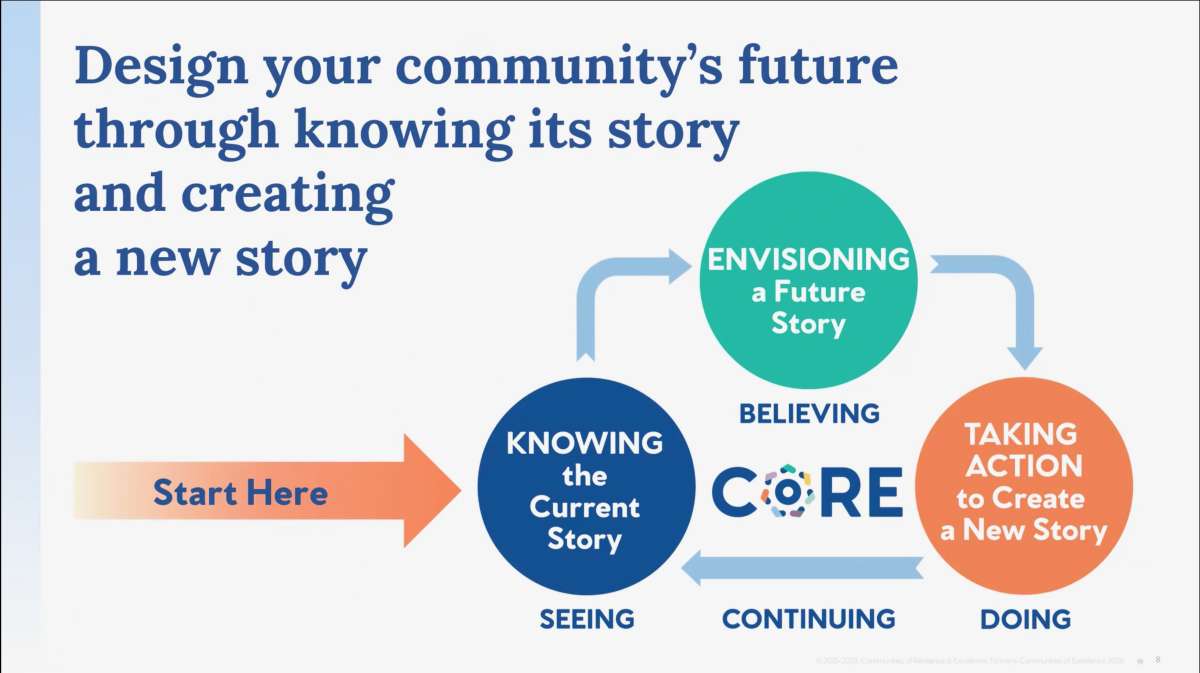

How the Baldrige framework works
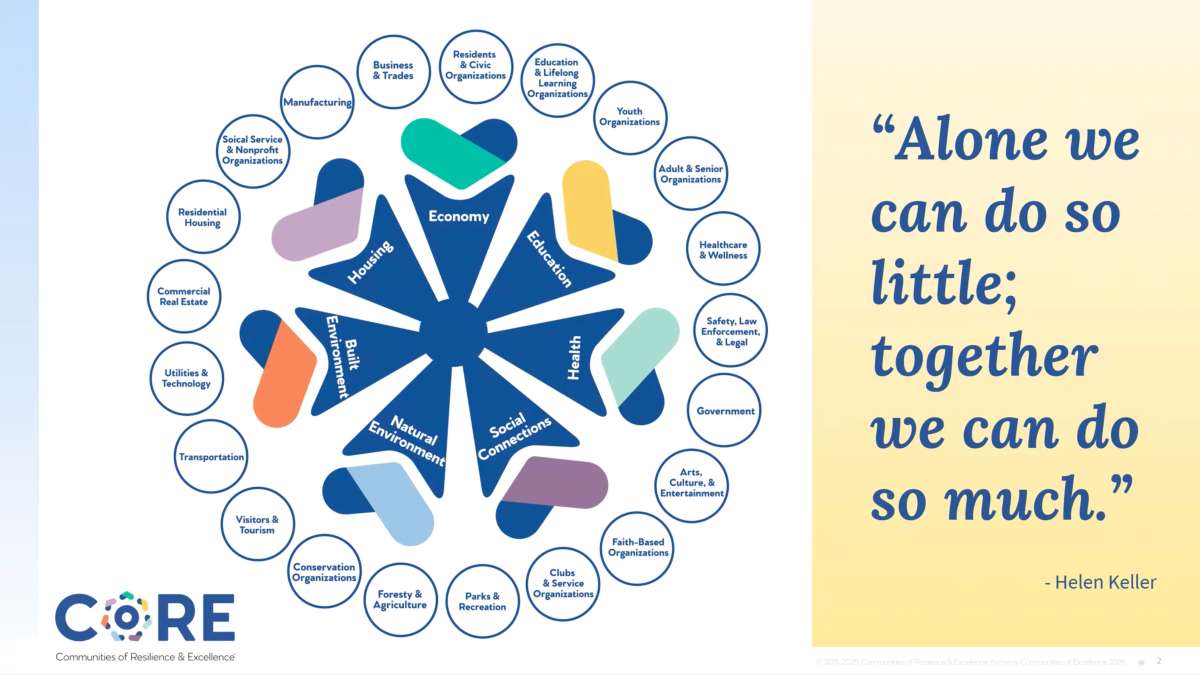
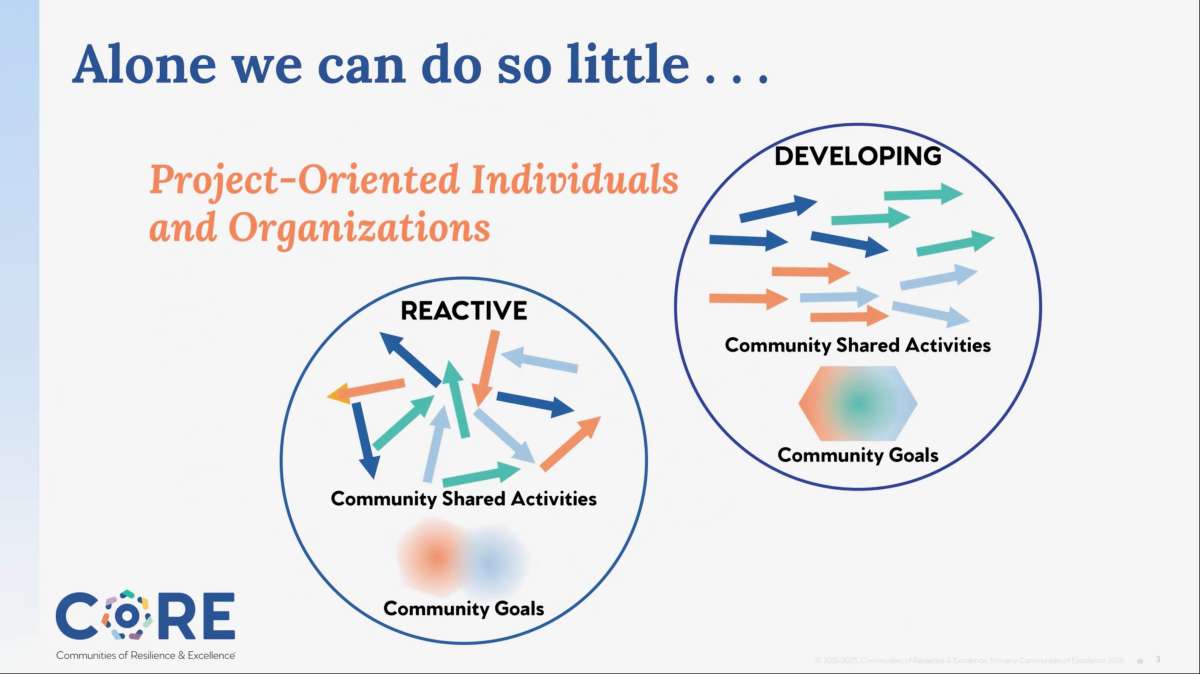
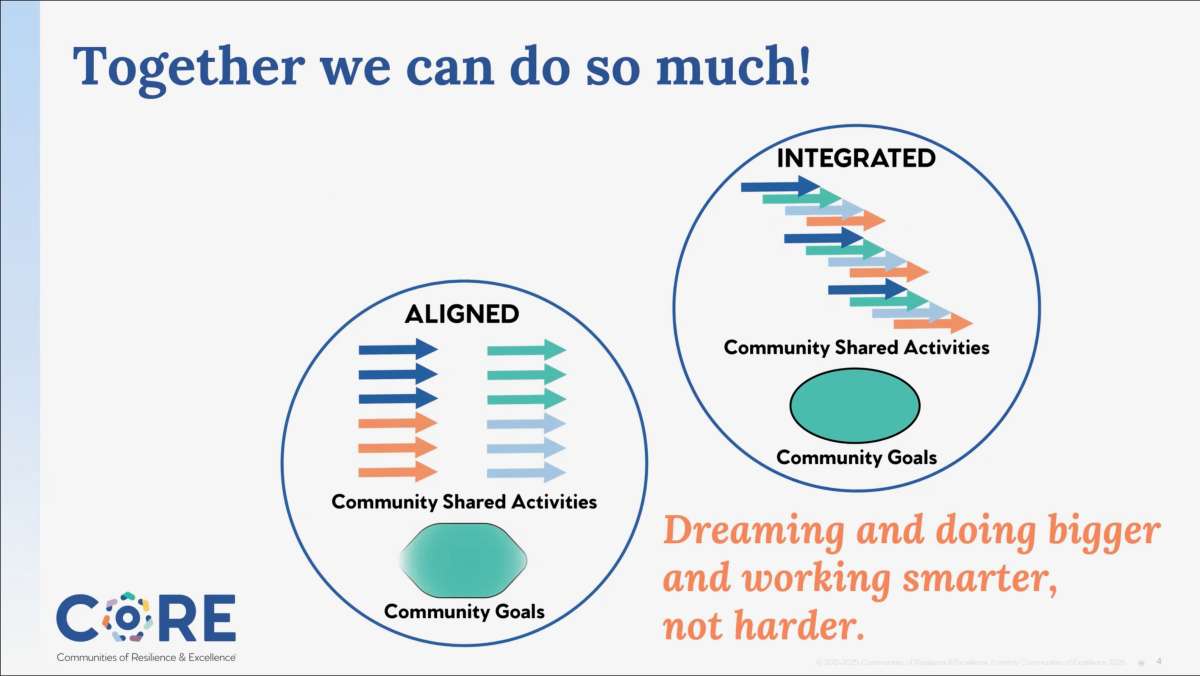
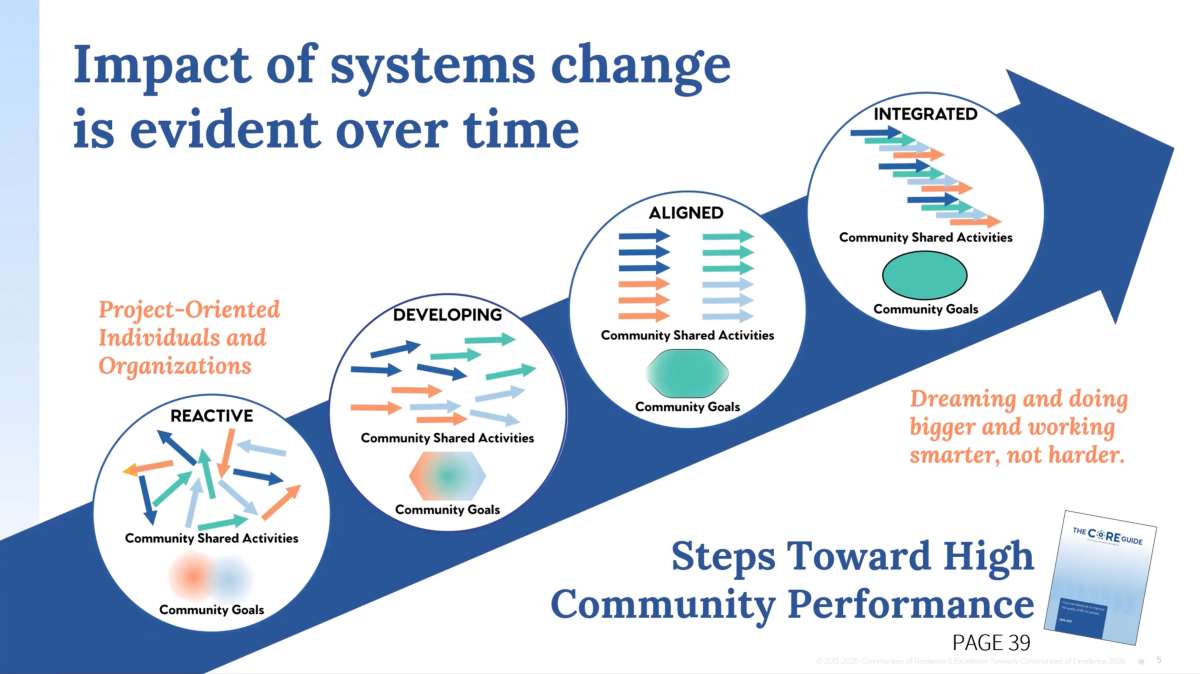
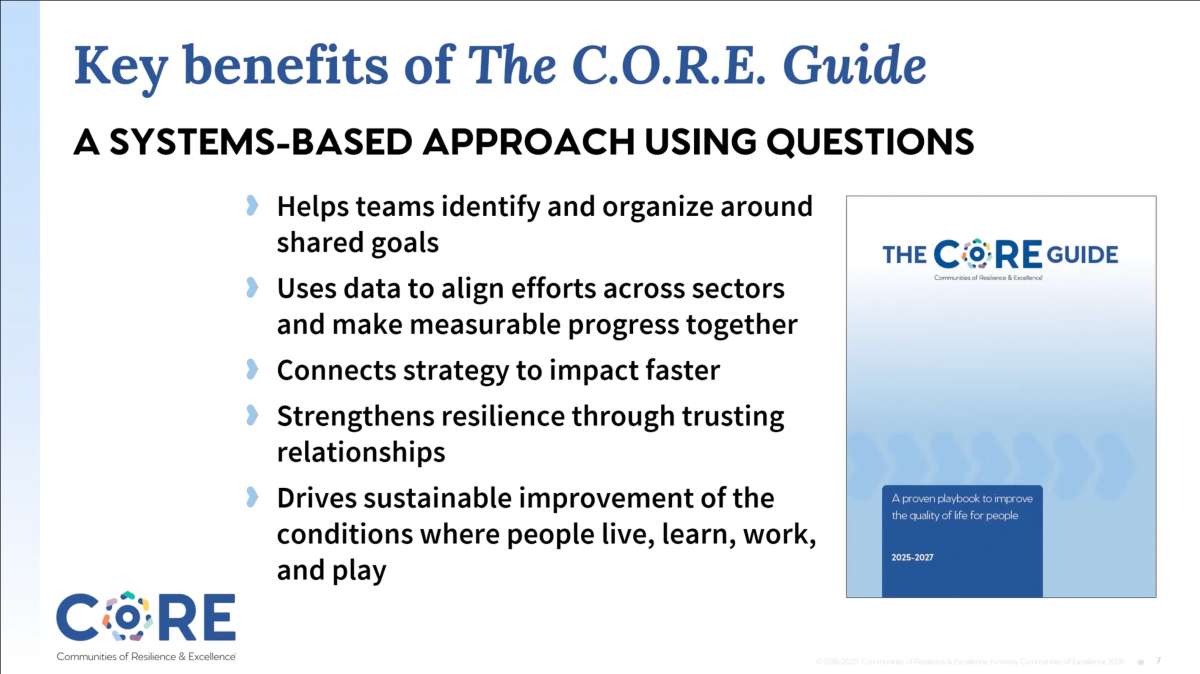
The Baldrige approach is built on a simple idea: if you align people, data, strategy, and action, results follow. It's been tested across thousands of organizations – hospitals, universities, companies. Now it's working for communities.
The framework asks five core questions: What are we trying to achieve? How will we measure success? Who's responsible for what? What data are we using to decide? Are we actually improving, or just talking about improving?
Coral Gables had severe crime, high unemployment, and poor health outcomes. Their burning platform – the urgent problem that forced action – was clear. They assembled a cross-sector team. They set specific, measurable targets. They tracked progress relentlessly. They adjusted when something wasn't working. They kept going even when progress was slow.
That's the whole method. There's no magic. There's no consultant who fixes everything. There's just disciplined work, shared data, and teams that don't quit.
Practical information – how to participate
The free webinar on Coral Gables takes place Wednesday, January 8, 2026 at 2 p.m. CET (11 a.m. Pacific, noon Mountain, 1 p.m. Central). Registration is free through the link in the official announcement. No payment required.
You'll hear directly from Coral Gables administrators and Baldrige program staff. They'll walk through what they did, what metrics they used, what obstacles they hit, how they overcame them. There will be time for questions.
If you want to launch a similar effort in your community, Milestone 1 begins in February 2026. It's a three-month virtual program. Cost varies by package, but flexible options exist for different sized organizations and communities.
The organization running this is called Communities of Excellence 2026. Their main website is communitiesofexcellence2026.org. You'll find all the details, downloadable documents, and contact information there.
Glossary
- Baldrige Performance Excellence Program: a framework that helps organizations and communities improve results by aligning people, data, strategy, and action.
- Impact Pathway: the guided journey through five stages that helps a community achieve measurable improvements on shared priorities.
- Milestone: one stage of the journey. Milestone 1 focuses on team formation and mission definition. Later milestones go deeper into strategy and implementation.
- Burning platform: the urgent problem that brings a team together. It has to be serious enough to justify sustained effort, but concrete enough to measure and tackle.
- Scorecard: a digital tool that tracks real-time metrics that matter for a community – crime, jobs, health, education. It's customizable and shows whether your work is actually working.
- Team Readiness Assessment: an evaluation that determines if your team is genuinely ready for a three-to-five-year commitment. It identifies strengths and areas needing more preparation.